Data feed management: how to effectively manage your product feed

How to Appear as a Brand in Perplexity (AI Search Guide)
Perplexity AI is one of the fastest-growing AI answer engines. Instead of a long list of blue links, it gives users a concise answer with citation cards that link back to the sources it trusts. For product queries, Perplexity now shows rich shopping cards with images, prices and AI-written summaries, and even a “Buy with Pro” button for eligible products in some markets.
Table of content
For brands and retailers, that creates a simple question: how do we become the brand Perplexity cites and recommends? Unlike classic SEO, visibility here is about being the best structured, most trustworthy answer, not just the highest-ranking page. This page gives you a practical playbook to appear as a brand in Perplexity, plus how Lengow helps you get your product data ready for AI-native search.
How Perplexity decides what to show
Perplexity works in four main steps: understand the query, search the live web, synthesise an answer, and cite a handful of sources underneath. Research into its ranking logic highlights a few core factors brands should care about:
- Source trustworthiness: Perplexity boosts domains it considers reliable and downranks low-quality or manipulative sites. Authority publishers, strong brand sites and high-quality verticals tend to be cited more often.
- Content relevance and clarity: pages that answer the user's question directly, with clear structure, headings and concise explanations, outperform keyword-stuffed or vague content.
- Structured data and entities: JSON-LD schemas (Article, Product, FAQPage, Organization) and clean HTML help Perplexity understand what each page is about and how it relates to brands, products and categories.
- Freshness and engagement: regularly updated content, positive user interactions and low "dislike" signals influence which pages stay visible over time.
- External authority signals: mentions and licensing deals with respected publishers (for example, media partnerships that allow Perplexity to use their content) reinforce which brands and sources are safe to quote.
| Requirement | Detail |
|---|---|
| Feed format | Google Shopping CSV, submitted via SFTP |
| Markup | Schema.org Product markup on-page |
| Mandatory fields | GTIN, accurate pricing, real-time inventory |
| Fees | None: no listing fees, no commissions |
| Eligibility | Must sell and ship to the US; Shopify merchants get automatic syndication without applying |
What this means for brands & retailers selling online
If you want to appear as a brand in Perplexity, think in terms of Generative Engine Optimisation (GEO):
- Your product pages and buying guides must answer the kinds of questions people actually ask in Perplexity ("best vegan sneakers under €120", "sofa for small apartment with pets").
- Your product data (titles, attributes, images, stock, prices) needs to be clean and consistent across your website and marketplaces, Perplexity often reads and cross-checks all of them, and now also draws directly on your Merchant Program feed where you have one live.
- Your brand should appear in trusted places Perplexity likes to cite: respected media, specialist blogs, high-quality marketplaces and review platforms.
The good news: none of this requires a dedicated AI team. Most of the work is about disciplined product data, strong content and structured markup, things you can systematise with Lengow.
Practical steps to appear as a brand in Perplexity
1) Turn product pages into "Perplexity-ready answers"
- Mirror real questions: add short Q&A style sections and buying-guide paragraphs that echo the way customers search ("Is this stroller cabin-friendly?", "Is this moisturiser OK for sensitive skin?").
- Keep it concise and trustworthy: Perplexity favors pages that explain clearly over pages that simply repeat keywords. Use plain language, specific numbers, and cite your own sources or standards when relevant.
- Use scannable structure: headings, bullet lists, comparison tables and short paragraphs make it easier for the model to extract and reuse the right information in answers.
2) Add and improve structured data
- Implement Product, Offer, Review and Organization schema on your site using JSON-LD, plus FAQPage for Q&A content. This helps Perplexity understand which entity (brand, product line, category) your page represents.
- Make sure your technical SEO is solid: crawlable pages, clean URLs, HTTPS, fast load times and no accidental blocks of AI-related crawlers in
robots.txt. - Use a clear internal linking structure to group pages by topic (e.g. "running shoes", "baby furniture") so Perplexity can see your brand's topical authority.
3) Clean and enrich your product data (with Lengow)
Perplexity's product cards rely heavily on structured catalog data, whether pulled from the open web or submitted through the Merchant Program feed. Poor attributes mean your products are invisible or mis-matched. Lengow helps you fix that at the source.
- Centralise your catalog: use Lengow's product feed management to ingest data from your ecommerce platform, PIM or ERP and create one clean, enriched catalog.
- Standardise attributes: ensure every SKU has consistent values for size, colour, material, age group, compatibility, etc. Lengow lets you map and normalise attributes automatically before sending them to marketplaces and other channels.
- Optimise titles & descriptions at scale: with Lengow's rules and templates (NetMarkets), you can adapt titles, keywords and bullet points per channel, making them more conversational and AI-friendly without rewriting everything by hand.
- Keep data fresh: automate price and stock updates to all channels. Perplexity's own Merchant Program guidelines require real-time inventory, so this is no longer just best practice, it's a stated requirement for feed submissions.
4) Be present where Perplexity finds authority
- Invest in trusted marketplaces: high-quality listings on channels like Amazon, Zalando, Walmart often appear in Perplexity's citations and shopping cards. Make sure your marketplace content is as rich and consistent as on your own site.
- Earn coverage on respected publishers: Perplexity partners with major media brands and references their articles directly; being reviewed or quoted there increases the odds of your brand being cited.
- Strengthen reviews and UGC: detailed, trustworthy customer reviews on your site and marketplaces feed the content Perplexity analyses when summarising pros and cons in product answers.
5) Monitor Perplexity citations and keep content fresh
- Regularly search your main product categories and brand terms in Perplexity and note which sites are cited. Use this as a benchmark for your own visibility.
- Update key pages at least every 6-12 months (or more often for fast-moving products, like electronics or seasonal fashion) to maintain freshness signals.
- Track AI citations and answer share using GEO/AI visibility tools or your agency's reporting. Aim to grow the share of answers where your brand appears in the top 3 sources.
How Lengow helps brands stand out in Perplexity
Perplexity now relies on both the open web and a growing base of structured product feeds submitted directly by merchants. Lengow acts as your product data control centre, making sure whatever Perplexity sees about your products, on the open web, on marketplaces, or through a direct feed, is complete, consistent and compelling.
- One source of truth for product data: centralise your catalog, standardise attributes and avoid discrepancies between your website and marketplaces.
- AI-friendly optimisation rules: adapt titles, descriptions and attributes by channel so that your marketplace feeds, Google Shopping feeds and onsite data all align with GEO best practices.
- Marketplace excellence: use Lengow's marketplace feed management and product page optimisation tools to ensure every listing meets the strictest content standards, which then flow into Perplexity's view of your brand.
- Ready for direct AI feeds: as more AI engines follow OpenAI's and Perplexity's lead and accept merchant product feeds, having a robust feed infrastructure like Lengow in place lets you plug in quickly, in the Google Shopping CSV format Perplexity's Merchant Program already expects, instead of starting from zero.
In short: Perplexity rewards brands that combine authoritative content with clean, structured product data. Lengow helps you deliver both at scale, so when shoppers ask Perplexity what to buy next, your products are ready to be cited, recommended, and clicked.
Quick checklist: appear as a brand in Perplexity
Related links
Our guides
Guide
eBook
16/12/2024
1 min read
E-commerce for Brands
Guide
Case Study
10/09/2025
1 min read
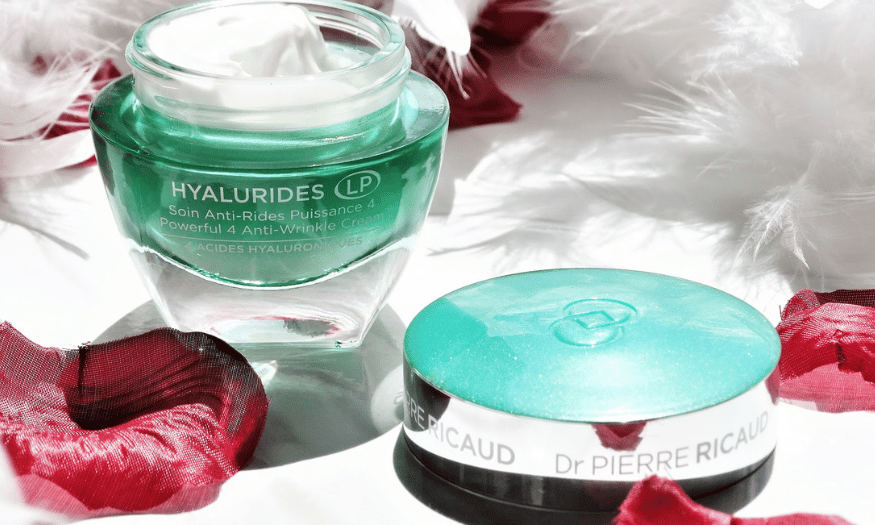
Dr. Pierre Ricaud Case Study: +89% Profitability with Feeds
Guide
eBook
03/09/2025
1 min read
Boost Ecommerce Ads
Guide
Case Study
13/03/2025
1 min read
Nespresso Case Study: Shopping & Search in 47+ Markets
Boost your e-commerce performance with Lengow
Centralize, optimize and distribute your product catalogs across every sales channel.